

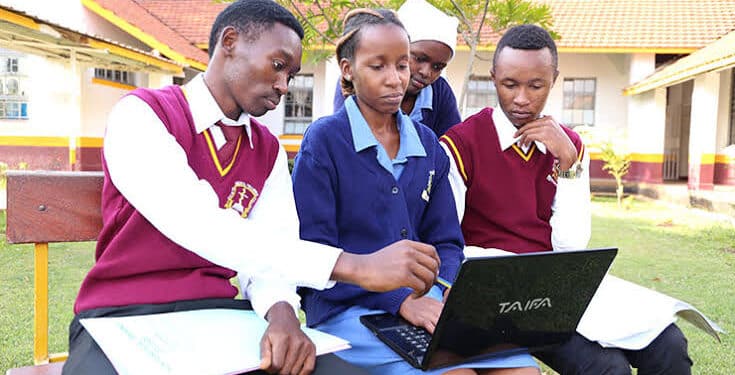
A diploma from the Kenya Medical Training College (KMTC) is increasingly opening doors far beyond Kenya's borders, challenging traditional perceptions of university degrees as the dominant pathway to professional success.
But behind the institution's expanding international footprint lies another challenge: ensuring its students uphold the professional standards associated with a career in healthcare.
The scale of KMTC's influence is striking.
According to the college's official figures, it operates 92 campuses, enrols more than 80,000 students and offers 126 medical courses. Its graduates account for more than 85 percent of Kenya's middle-level healthcare workforce.
In December 2025, the institution graduated 22,776 healthcare professionals, marking one of its most significant milestones.
And the opportunities are increasingly international.
KMTC recently reported that 84 of its physiotherapy graduates had secured employment placements in Germany through an ongoing recruitment programme, with another 159 being prepared for potential placement.
For an institution founded in 1927, such developments reinforce the growing value of practical healthcare qualifications.
Yet professional recognition comes with expectations that extend beyond examination halls and clinical laboratories.
When the uniform becomes a public statement
A KMTC uniform is instantly associated with healthcare training. It communicates discipline, responsibility and preparation for a profession entrusted with human life.
But what happens when that identity appears in social media content promoting substance abuse, abusive language or reckless behaviour?
The concern is not merely about institutional image. It is about public confidence in future healthcare professionals.
A video may generate thousands of likes in a matter of hours. A professional reputation can take years to build.
KMTC's own student-life guidance emphasises discipline, professionalism and ethical practice, with rules governing behaviour in academic, social and workplace settings.
However, there is no verified evidence presented here establishing widespread misconduct among KMTC students.
Students also have legitimate rights to recreation, personal expression and criticism of institutional decisions. Ordinary social media activity should not automatically be confused with professional misconduct.
The distinction is whether conduct genuinely compromises ethical obligations, patient safety or public trust.
A reputation reaching beyond Kenya
As KMTC graduates pursue international careers, the institution faces the task of protecting both its educational standards and the professional identity associated with its qualifications.
That responsibility falls on students, lecturers, administrators and graduates alike.
Professional discipline cannot begin at the hospital gate and disappear when the uniform is worn elsewhere.
For KMTC, the stakes are considerable.
Its graduates are helping address healthcare workforce needs locally and internationally, while the institution continues to expand access to medical training.
The diploma may be gaining global recognition, but its enduring value will depend on more than the number of graduates entering hospitals overseas.
It will also depend on whether those carrying the KMTC name demonstrate the competence, integrity and judgement expected of healthcare professionals.
Tags
University Diploma vs TVET Diploma: Two Roads, One Destination — Understanding the Difference Without the Myths
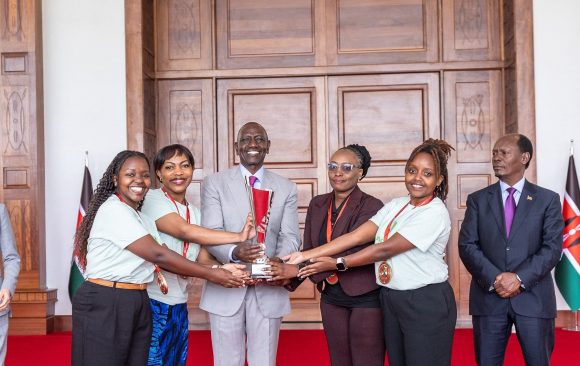
How JKUAT Students Led Kenya to Historic First Win at Huawei Global ICT Competition








Comments (0)
No comments yet. Be the first to comment!
Leave a Comment