

The conflict in the Middle East is entering a more complex and dangerous phase as global powers increasingly take clear positions in a war that analysts warn could reshape the geopolitical balance of the region.
What began as a devastating confrontation between Israel Defense Forces and the Palestinian militant group Hamas in Gaza has steadily evolved into a broader geopolitical contest involving regional actors and the world’s major powers.
Military exchanges, diplomatic maneuvering and strategic deployments now signal that the crisis extends far beyond the battlefield.
Global Powers Draw Clear Lines
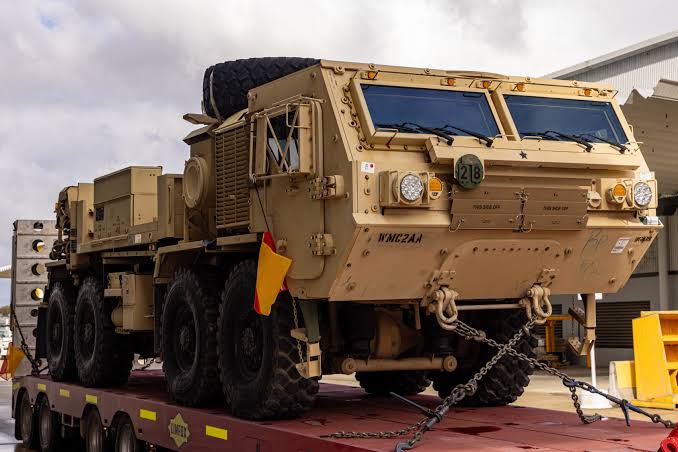
The United States Department of Defense has reaffirmed strong support for Israel, deploying additional military assets to the region in what Washington describes as a move to deter further escalation and protect allied interests.
American officials maintain that the presence of naval and air forces is meant to prevent other actors from joining the conflict, particularly as tensions rise with Iran and armed groups aligned with Tehran.
European countries have largely backed Israel’s right to defend itself while simultaneously urging restraint and emphasizing the need for humanitarian assistance to civilians caught in the fighting.
However, other major powers are calling for a different approach. Russia and China have emphasized the need for an immediate ceasefire and renewed diplomatic negotiations to address the broader political grievances fueling the conflict.
Regional Tensions Intensify
The war has also raised fears of a broader regional confrontation.
Along Israel’s northern border, the Lebanese militant group Hezbollah has engaged in periodic clashes with Israeli forces, sparking concerns that the conflict could open a second front.
Meanwhile, Iran has emerged as a central figure in the unfolding geopolitical landscape. While Israel and its allies accuse Tehran of supporting armed groups across the region, Iranian officials insist they are not directly involved in the current hostilities.
Still, analysts say the network of alliances and rivalries in the region means that even limited incidents could trigger wider escalation.
Economic and Security Implications
Beyond the immediate humanitarian crisis, the conflict is sending shockwaves through global markets and diplomatic circles.
The Middle East remains one of the world’s most critical energy-producing regions, and any disruption to oil shipping routes could quickly affect global fuel prices and economic stability.
Security experts also warn that prolonged instability could embolden extremist groups and deepen existing political fractures across the region.
Diplomacy Faces a Difficult Path
Despite ongoing diplomatic efforts, prospects for a swift resolution remain uncertain.
International mediators continue to push for humanitarian pauses and negotiations, but the deeply entrenched political and historical divisions that underpin the conflict present formidable challenges.
For now, the Middle East remains at a precarious crossroads where military developments, political alliances and global power competition intersect.
Whether diplomacy can prevail over escalating tensions may ultimately determine whether the current crisis remains contained—or evolves into a wider regional war with global consequences.
Tags
From Battlefield to Presidency: The Rise of Ibrahim Traoré and a New Wave of African Leadership










Comments (0)
No comments yet. Be the first to comment!
Leave a Comment