


Kenyan politics is undergoing a quiet but powerful transformation as social media platforms increasingly replace traditional political rallies and mainstream media as the primary battleground for influence and public opinion.
From Facebook and X (formerly Twitter) to TikTok and WhatsApp, political communication in Kenya has shifted dramatically over the last decade, with leaders, activists, and citizens now engaging directly in digital spaces where debates, campaigns, and narratives unfold in real time.
The Rise of Digital Political Campaigns
In the past, politicians relied heavily on physical rallies, radio broadcasts, and television interviews to reach voters. Today, a single viral video or trending hashtag can influence national political conversations within hours.
Political leaders now use social media platforms to announce policies, respond to criticism, and mobilize supporters, often bypassing traditional media gatekeepers. Campaign teams have also invested heavily in digital communication strategies, including influencers, online campaigners, and sponsored content.
During recent elections, social media became a key tool for shaping political narratives, with supporters using platforms to promote their preferred candidates while critics used the same platforms to challenge political decisions.
Youth Driving the Digital Political Space
Kenya has one of the youngest populations in Africa, and the majority of this demographic actively engages on social media. As a result, the youth have become a powerful force in shaping political discourse online.
Through memes, short videos, podcasts, and commentary threads, young Kenyans are increasingly influencing how political messages spread and how leaders are perceived.
Political analysts note that many young voters now form their political opinions online rather than through traditional political forums.
Opportunities and Risks
While social media has expanded democratic participation by allowing more voices to be heard, it has also introduced new challenges.
The rapid spread of misinformation, propaganda, and politically motivated disinformation campaigns has become a growing concern during politically sensitive periods.
Experts warn that while digital platforms empower citizens, they also require greater responsibility from both political actors and the public to ensure that online discourse remains factual and constructive.
A New Political Era
As Kenya continues to move deeper into the digital age, social media is expected to play an even larger role in shaping the country’s political landscape.
From grassroots activism to presidential campaigns, the future of Kenyan politics may increasingly be decided not only in ballot boxes and political rallies, but also in the fast-moving conversations taking place across social media platforms.
For many observers, one thing is clear: the political arena in Kenya is no longer limited to physical spaces — it now lives online.
Tags

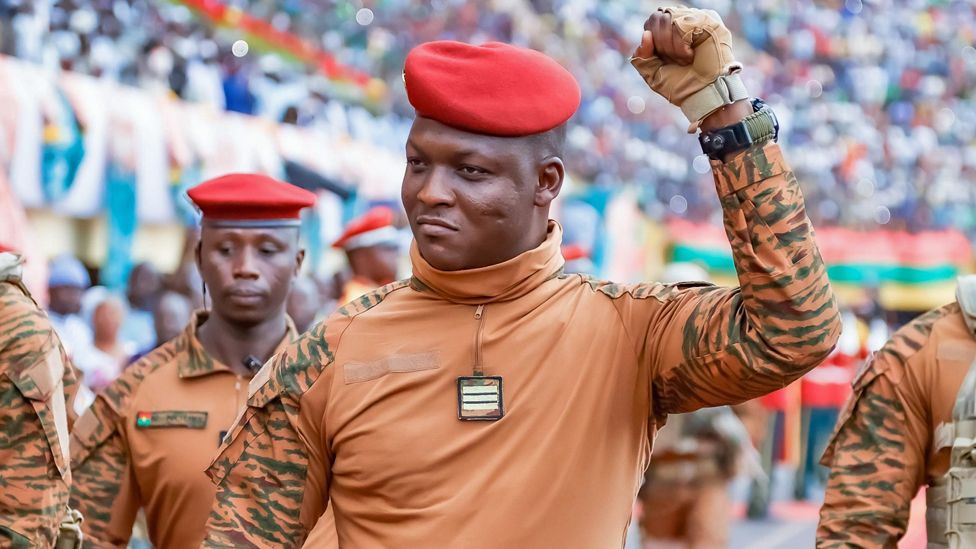
From Battlefield to Presidency: The Rise of Ibrahim Traoré and a New Wave of African Leadership









Comments (0)
No comments yet. Be the first to comment!
Leave a Comment