

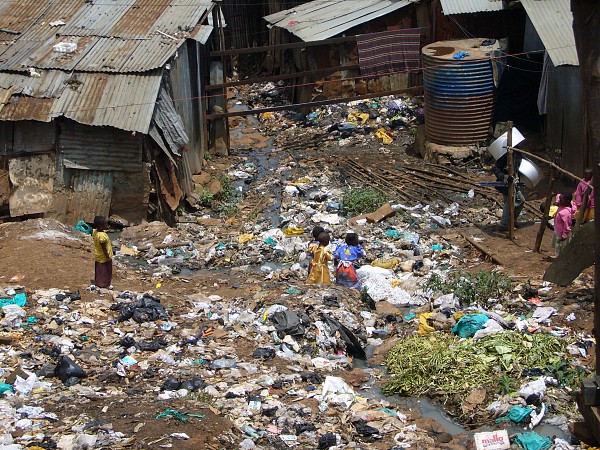
In low-lying settlements such as Mathare, Mukuru and Kibra, the rain does not just fall. It invades. It enters through leaking iron sheets, rises through cracked floors, overflows from open drains and turns narrow alleys into streams of mud, sewage and fear.
Across Kenya, heavy rains and flooding have already left dozens dead and thousands displaced this season. Reuters reported that at least 62 people had died by mid-March, including eight children, while Nairobi remained the hardest hit with 33 fatalities at the time. Associated Press later reported that flooding had worsened after rivers burst their banks, with the death toll rising to 88 and more than 34,000 people displaced across affected counties.
But behind those figures are women who spend nights awake, listening to the sound of water rising.
They are the first responders inside the home — lifting children from soaked mattresses, pulling school books from floodwater, placing cooking pots on higher shelves, and standing guard when walls made of timber, mud or iron sheets begin to shake under the weight of rain.
For many mothers, the rainy season means a different kind of poverty. It is not just lack of money. It is the humiliation of watching a child sleep in wet clothes. It is the fear of sending a daughter to a flooded toilet at night. It is the burden of cooking in a smoky corner while water drips into the food. It is missing work because the house has flooded again.
Children suffer quietly. Some wake up to find their uniforms soaked. Others miss school because paths are blocked, bridges are unsafe or families have been forced to move temporarily. In homes where one room serves as bedroom, kitchen and sitting room, there is often nowhere dry to stand, let alone study.
The floods also expose a deeper crisis facing women and girls. Humanitarian reporting has warned that flooding in Kenya’s informal settlements is not only destroying homes and livelihoods, but also increasing risks linked to gender-based violence, especially where families are displaced, sanitation collapses and women must move through unsafe spaces in search of water, toilets or shelter.
The New Humanitarian
This is the hidden tragedy of the rainy season: the disaster does not end when the water goes down.
After the floods come sickness, hunger and insecurity. Stagnant water becomes a breeding ground for mosquitoes. Contaminated water increases the risk of disease. Families that survive the night may wake up without food, dry clothes, medicine or money to repair what has been destroyed.
Government agencies and humanitarian organisations often respond with rescue operations, warnings and relief efforts. The Kenya Meteorological Department has continued to issue heavy rainfall alerts, advising Kenyans to avoid flooded roads, rivers, drainage channels, landslide-prone areas and unstable structures.
But for many people in informal settlements, the warning itself raises a painful question: where exactly should they go?
The poor are repeatedly told to move from dangerous places, yet many live there because safer land, better housing and formal rental markets are beyond their reach. The result is a cycle of survival where families are blamed for living in risky areas, even when the city has failed to provide affordable, safe alternatives.
Urban experts and housing rights groups have long argued that Nairobi’s floods reveal the cost of poor planning, weak drainage systems and exclusion of the urban poor from serious development decisions. Previous flood disasters have shown that those living along riverbanks, wetlands and unstable slopes are often hit hardest, with women and children carrying the heaviest burden.
The tragedy is that these floods are no longer surprises. Every rainy season, the same settlements flood. The same families lose bedding. The same children miss school. The same mothers rebuild homes that may be destroyed again within weeks.
And every year, the country mourns after the water has already taken lives.
For Nairobi’s poor, rain has become more than weather. It is a test of dignity. It exposes the gap between the city’s shining towers and its forgotten corners. It shows how climate, poverty and poor urban planning combine to punish those with the least power to protect themselves.
As the rains continue, the question is no longer whether informal settlements will flood again. They will.
The real question is how many more women must carry children through sewage-filled alleys before the country treats flooding in poor neighbourhoods as a national emergency — not a seasonal headline.





From Battlefield to Presidency: The Rise of Ibrahim Traoré and a New Wave of African Leadership












Comments (0)
No comments yet. Be the first to comment!
Leave a Comment