

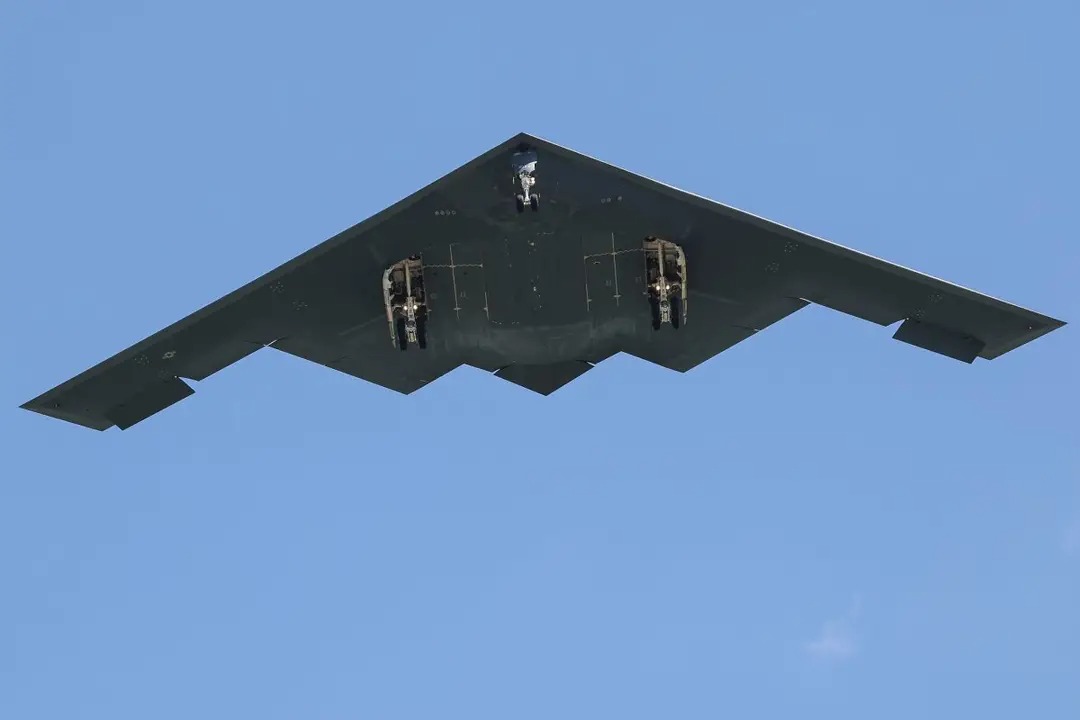
The unmistakable silhouette of the B-2 Spirit stealth bomber—one of the most advanced aircraft ever built—has once again captured global attention as geopolitical tensions in the Middle East continue to simmer. Military analysts warn that the deployment or even the mere movement of the aircraft could dramatically reshape the strategic balance in the region.
The B-2 bomber, developed by the American aerospace company Northrop Grumman for the United States Air Force, is designed to penetrate the world’s most sophisticated air defense systems while remaining nearly invisible to radar. With its distinctive flying-wing design and stealth technology, the bomber is capable of delivering both conventional and nuclear payloads deep inside enemy territory.
What makes the B-2 particularly significant in current geopolitical calculations is its ability to carry the Massive Ordnance Penetrator (MOP)—a powerful bunker-buster bomb engineered to destroy heavily fortified underground facilities. Experts say the weapon is specifically designed to target deeply buried military installations such as nuclear facilities.
Security experts argue that the presence of such bombers in a region often signals more than routine military preparedness. Rather, it can be interpreted as a strategic message meant to deter adversaries and reassure allies. In times of heightened tensions, such signals can carry enormous diplomatic weight.
“The B-2 is not just a weapon; it is a statement,” said one defense analyst. “Its deployment communicates capability, readiness, and intent without a single shot being fired.”
However, the bomber’s involvement in any conflict could have far-reaching consequences. Analysts warn that its use against sensitive targets—particularly nuclear or underground military sites—could trigger a wider regional escalation. Countries aligned with opposing blocs may be drawn into the conflict, turning localized tensions into a broader international crisis.
Beyond the battlefield, the geopolitical ripple effects could also extend into the global economy. Escalation in the Middle East, a region critical to the world’s energy supply, could disrupt oil markets and trigger spikes in fuel prices worldwide. Shipping routes, investment markets, and diplomatic relations could all feel the pressure.
For now, the B-2 remains largely a tool of deterrence rather than active warfare. Yet its shadow looms large in international security discussions, symbolizing both technological dominance and the fragile balance of modern geopolitics.
As global powers continue to navigate an increasingly volatile world, the quiet movement of stealth bombers thousands of kilometers away may carry consequences felt far beyond the battlefield.
Tags



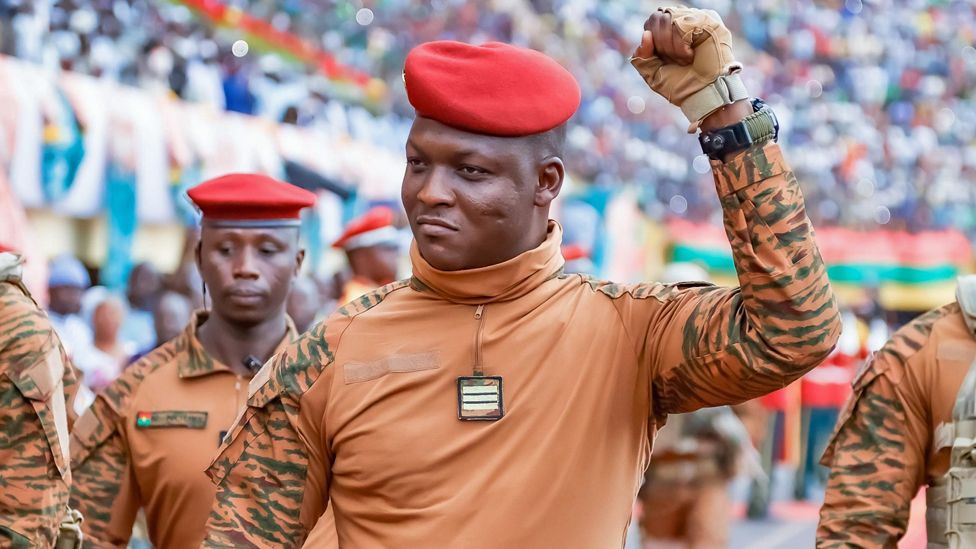
From Battlefield to Presidency: The Rise of Ibrahim Traoré and a New Wave of African Leadership











Comments (0)
No comments yet. Be the first to comment!
Leave a Comment