

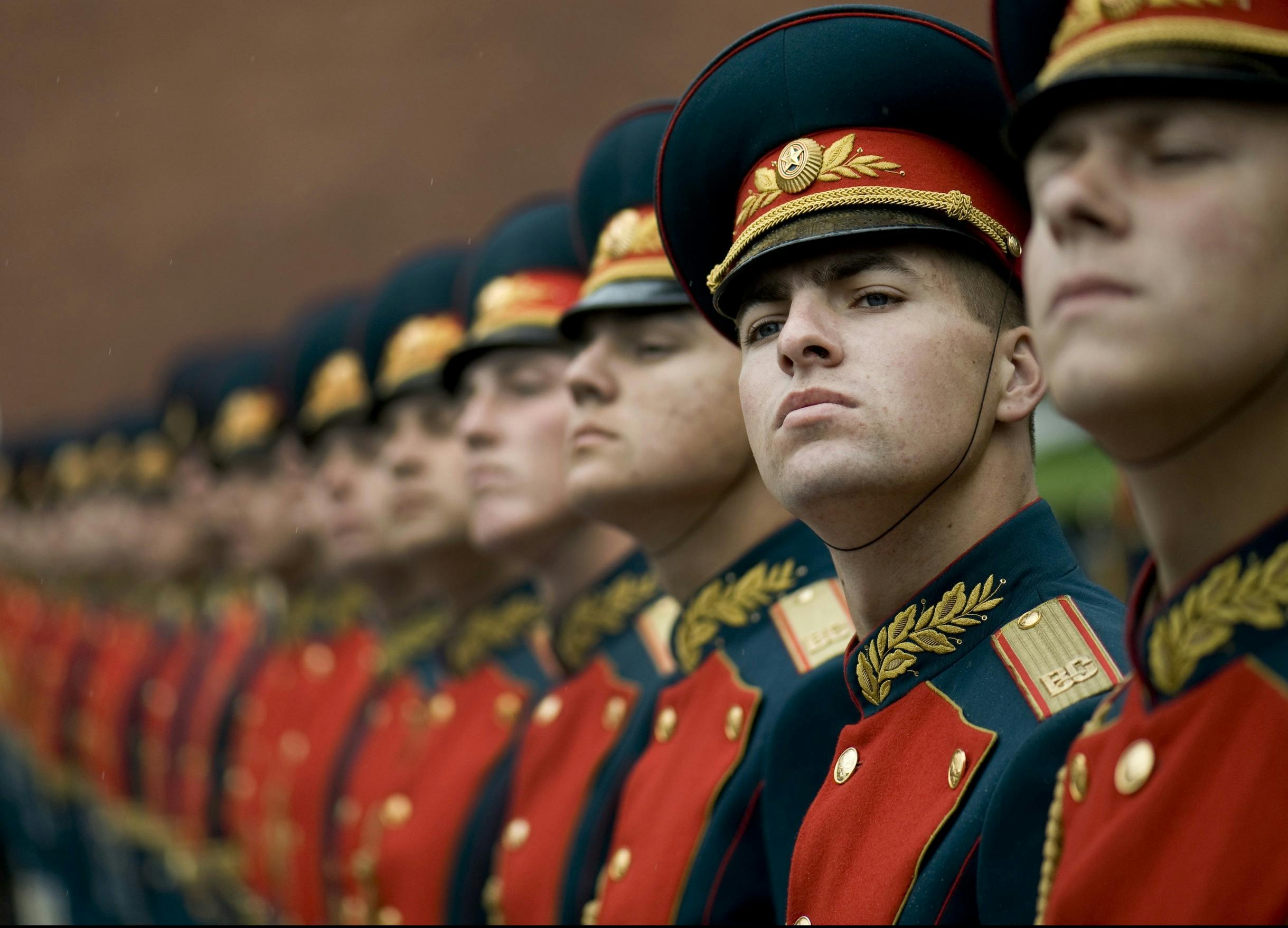
The escalating conflict in the Middle East involving Israel, Iran, and the United States is rapidly drawing the attention of the world’s major powers, with governments across Europe, Asia, and the West carefully calibrating their responses.
While the war has intensified through military strikes, missile attacks, and rising regional tensions, global powers have adopted different strategies — ranging from direct support to cautious neutrality.
United States: Firmly Backing Israel
The United States has emerged as Israel’s strongest ally in the conflict. Washington has provided military intelligence, strategic support, and defensive systems to help Israel counter Iranian missile and drone attacks.
American officials say the move is intended to protect regional stability and deter further escalation from Iran and its allied groups in the Middle East. The U.S. has also strengthened its military presence in the region, deploying naval assets and reinforcing bases across the Gulf.
However, Washington has emphasized that it seeks to prevent the conflict from turning into a broader regional war.
Israel: Fighting What It Calls an Existential Threat
For Israel, the confrontation with Iran is viewed as a matter of national security. Israeli leaders argue that Iranian missile capabilities and regional influence pose a direct threat to the country’s existence.
Israel has therefore intensified strikes targeting Iranian military facilities and strategic infrastructure, while strengthening its air defenses to counter retaliatory attacks.
Iran: Defiance and Regional Influence
Iran has responded with strong rhetoric and military retaliation, accusing Israel and the United States of aggression.
Tehran maintains that it has the right to defend itself and warns that continued attacks could trigger a wider confrontation involving Iran-aligned groups across the Middle East.
Analysts say Iran’s strategy is aimed at demonstrating its regional influence while avoiding a full-scale war that could severely damage its economy and infrastructure.
Germany and Europe: Cautious and Strategic Silence
One of the most notable positions in the conflict has come from Germany, Europe’s largest economy.
Berlin has taken a cautious approach, stating that it will only consider direct military involvement if German territory or soldiers are attacked. German officials argue that escalation could further destabilize the region and worsen global economic tensions.
This position reflects the broader stance of the European Union, where leaders are pushing for diplomacy and de-escalation rather than direct military engagement.
Russia and China: Calling for Restraint
Meanwhile, Russia and China have urged restraint from all sides while criticizing Western involvement in the conflict.
Both countries have positioned themselves as advocates for diplomatic dialogue, warning that continued escalation could destabilize the global economy and threaten international security.
NATO and the International Community
The military alliance NATO has so far avoided direct involvement, although several member states continue to coordinate closely with the United States on intelligence and regional security.
At the diplomatic level, the United Nations has called for an immediate reduction in hostilities, warning that the situation could spiral into a broader conflict if tensions continue to rise.
A Conflict With Global Consequences
Beyond the battlefield, the war is already sending shockwaves through global markets, particularly in energy and shipping routes across the Middle East.
Political analysts say the coming weeks will be crucial in determining whether the conflict remains contained or expands into a wider geopolitical confrontation involving major world powers.
For now, the world is watching closely as superpowers weigh their options in a war that could reshape the balance of power in the Middle East.
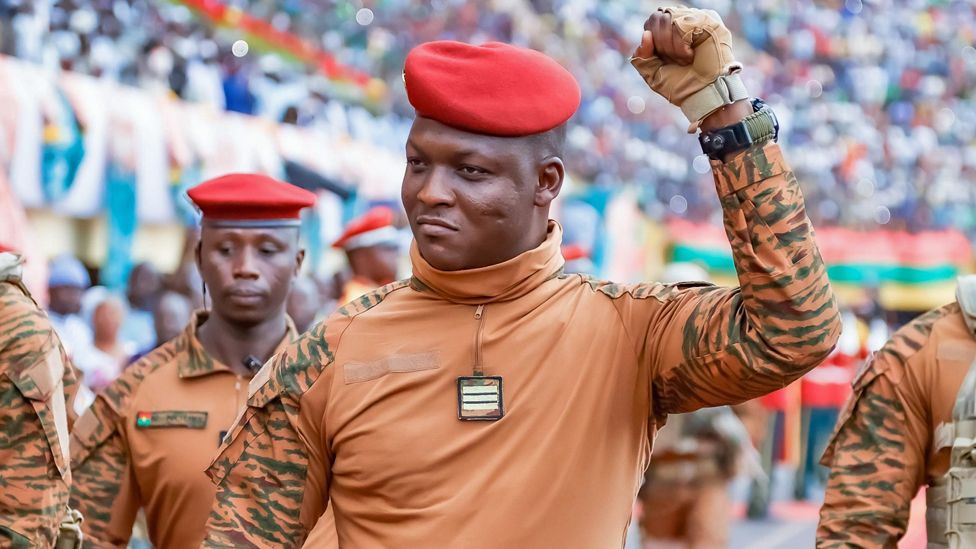
From Battlefield to Presidency: The Rise of Ibrahim Traoré and a New Wave of African Leadership










Comments (0)
No comments yet. Be the first to comment!
Leave a Comment